June 4, 2026
Homeowners often evaluate exterior improvements based on durability, appearance, and long-term maintenance needs. Among these upgrades, siding plays a central role in both home protection and curb appeal. Material selection can significantly influence how well a home withstands seasonal weather changes, how much upkeep is required, and how the exterior ages over time. Working with a professional siding company can help simplify these decisions by aligning material performance with specific property needs and local climate demands.
Vinyl Siding: Enduring Performance and Material Longevity
Durability and Lifespan Expectations
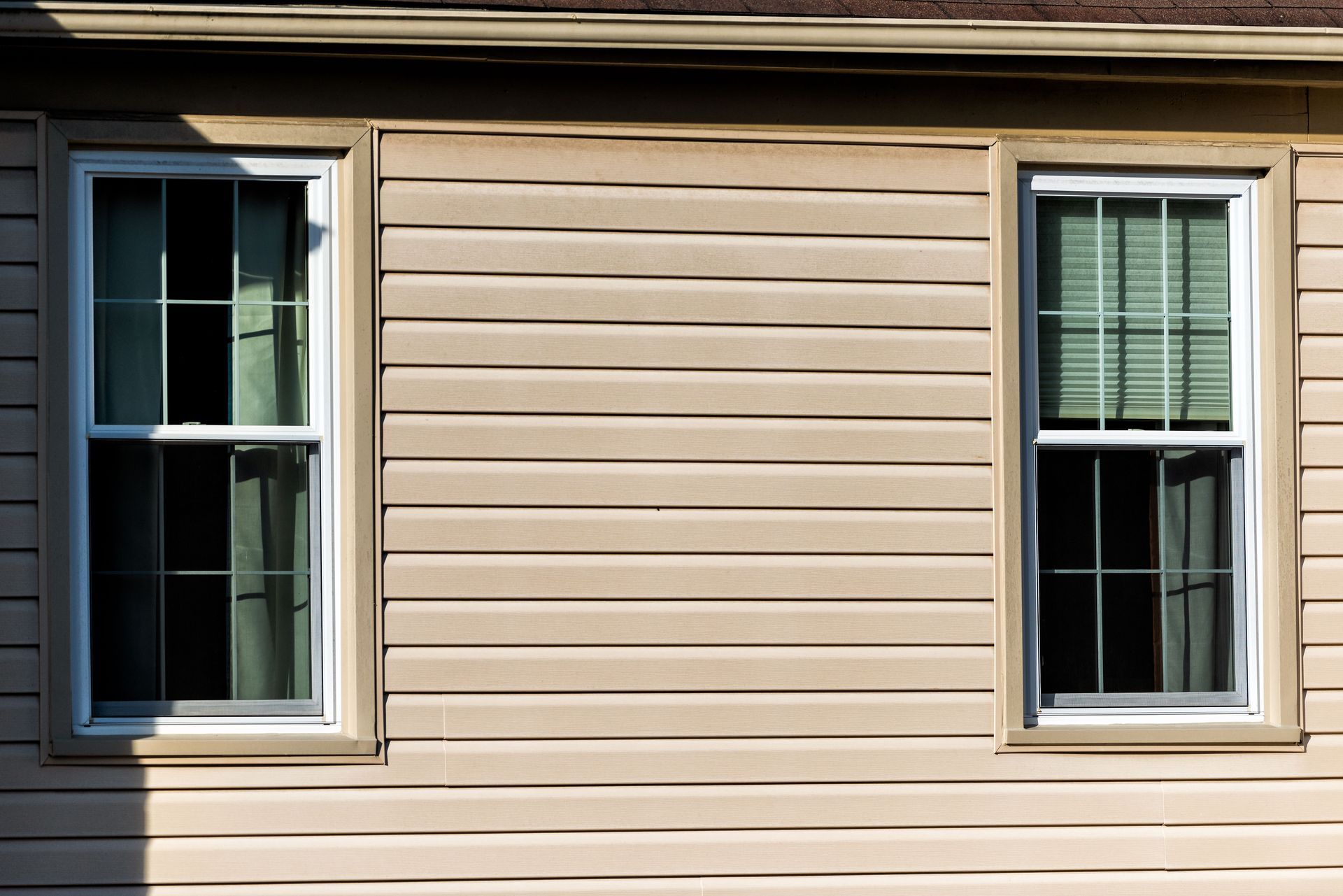
Vinyl siding remains one of the most widely installed exterior materials due to its balance of affordability and resilience. It is engineered to resist moisture absorption, which reduces risks associated with rot and insect damage. This makes it particularly appealing in regions with frequent precipitation or fluctuating humidity levels. Siding companies often recommend vinyl for homeowners seeking long-term performance with minimal upkeep requirements.
When properly installed, vinyl siding can withstand daily environmental exposure without significant structural degradation. It maintains its shape under normal temperature swings and does not require painting, which helps reduce long-term maintenance costs. Many homeowners appreciate that it offers a consistent appearance over time without extensive intervention.
According to The Spruce, vinyl siding typically lasts about 30 to 40 years. However, with consistent maintenance and attentive care, it can exceed 60 years before replacement becomes necessary. This extended lifespan demonstrates how material upkeep can significantly influence overall performance and longevity. A siding company may highlight this variability when helping homeowners evaluate lifecycle value.
Because vinyl is available in a wide range of colors and textures, it can also replicate the appearance of more traditional materials without the same maintenance demands. This versatility makes it a practical choice for many architectural styles.
Maintenance and Cost Efficiency
One of the most compelling advantages of vinyl siding is its low maintenance profile. Unlike wood, it does not require regular sealing or staining, and it is less vulnerable to moisture-related deterioration. Routine cleaning with mild soap and water is typically sufficient to maintain its appearance.
This reduced maintenance burden translates into long-term cost savings. Homeowners often find that they spend less overall on upkeep compared to other materials. Siding companies frequently position vinyl as a cost-effective solution for clients prioritizing efficiency and simplicity.
Installation costs are also generally lower than those associated with more specialized materials. This makes vinyl an accessible option for homeowners working within a defined budget while still seeking dependable exterior protection.
Design Flexibility and Curb Appeal
Modern vinyl siding is available in a wide range of profiles, colors, and finishes. This allows homeowners to achieve customized aesthetics without sacrificing performance. Options include horizontal lap siding, vertical panels, and textured finishes designed to mimic wood grain.
This design flexibility helps homeowners enhance curb appeal while maintaining a cohesive exterior style. A siding company often assists in coordinating siding selections with trim, roofing, and architectural details to ensure a balanced overall appearance.
Because vinyl resists fading better than earlier generations of the material, it can maintain visual consistency for many years. This stability contributes to long-term satisfaction and reduces the likelihood of premature aesthetic upgrades.
Fiber Cement Siding: Reinforced Durability and Design Strength
Structural Resilience and Weather Resistance
Fiber cement siding is known for its exceptional durability and resistance to environmental stressors. Composed of cement, sand, and cellulose fibers, it is designed to withstand harsh weather conditions, including heavy wind, rain, and temperature extremes. Many homeowners choose it for its ability to maintain structural integrity over decades.
Siding companies often recommend fiber cement for properties in regions where severe weather is a recurring concern. Its resistance to moisture intrusion reduces the likelihood of swelling, warping, or deterioration, which are common issues with less durable materials.
In addition to weather resistance, fiber cement also performs well in fire-prone areas due to its non-combustible composition. This added safety feature contributes to its reputation as a premium exterior option.
Aesthetic Versatility and Architectural Appeal
Fiber cement is widely valued for its ability to replicate the appearance of wood, stucco, or masonry while offering superior durability. This makes it suitable for a broad range of architectural styles, from traditional homes to modern designs.
Homeowners often select fiber cement when they want the look of natural materials without the associated maintenance challenges. A siding company may present it as a middle-ground option that blends aesthetics with long-term performance.
The material can be factory-painted or finished on-site, allowing for extensive customization. This flexibility ensures that homeowners can achieve specific design goals while maintaining a durable exterior system.
Maintenance Requirements and Long-Term Value
While fiber cement requires more maintenance than vinyl, it is still considered relatively low-maintenance compared to wood. Periodic repainting may be necessary depending on environmental exposure, but the material itself remains structurally stable for many years.
This durability contributes to strong long-term value. Homeowners often view fiber cement as an investment in both appearance and performance. A siding company may emphasize its lifecycle benefits when comparing it to other siding materials.
Its resistance to pests, including termites, further reduces maintenance concerns. This helps preserve structural integrity and minimizes unexpected repair costs over time.
Wood Siding: Classic Appeal and Natural Warmth
Traditional Aesthetics and Visual Character
Wood siding is often chosen for its natural beauty and timeless aesthetic appeal. It provides a level of warmth and texture that is difficult to replicate with synthetic materials. Many historic and custom-designed homes rely on wood siding to maintain architectural authenticity.
A siding company may recommend wood for homeowners prioritizing visual character and traditional craftsmanship. Its natural grain patterns and finish options allow for highly customized exterior designs.
Wood siding also ages distinctively, developing a patina that some homeowners find desirable. This aging process can enhance the character of a home when properly maintained.
Maintenance Demands and Preservation Needs
Unlike vinyl or fiber cement, wood siding requires consistent maintenance to preserve its appearance and structural integrity. Regular painting, staining, and sealing are necessary to protect it from moisture, UV exposure, and insect activity.
Without proper care, wood can become vulnerable to rot, warping, or decay. This makes maintenance planning essential for long-term performance. A siding company typically advises homeowners considering wood to be prepared for ongoing upkeep commitments.
Despite these requirements, many homeowners find the visual payoff worth the effort. Proper maintenance can significantly extend the lifespan of wood siding while preserving its natural appeal.
Repairability and Long-Term Restoration Options
One advantage of wood siding is its repairability. Individual boards or sections can often be replaced without disturbing the entire exterior system. This makes it a flexible option for localized damage repair.
A siding company may highlight this benefit when working with homeowners who value restoration potential. Unlike some synthetic materials, wood can be refinished multiple times, allowing for aesthetic updates over its lifespan.
This adaptability contributes to its long-term value, particularly for homes where maintaining historical accuracy or architectural integrity is important.
Selecting the right siding material requires careful consideration of durability, maintenance expectations, and visual goals. Vinyl offers long-term affordability and minimal upkeep, making it a practical choice for many households. Fiber cement provides enhanced strength and design versatility, appealing to those who want a balance between resilience and aesthetics. Wood delivers unmatched natural beauty but requires ongoing maintenance to preserve its condition. Each material serves a distinct purpose, and the best choice depends on the specific needs of the home and environment. Reach out to DECA Improvements for expert assistance with choosing a siding material!